
Course Details
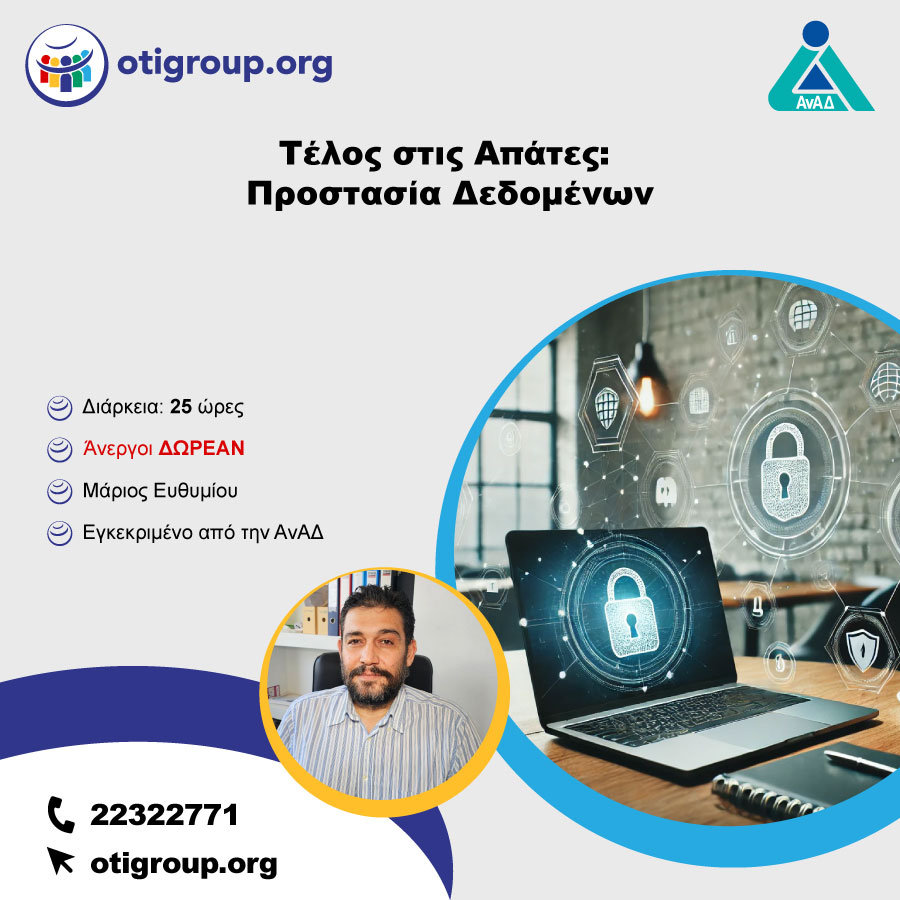
Course details
Overview
Cyber threats are on the rise, and they're not just for IT. If you're a manager, entrepreneur, or team leader, you have a critical role in protecting your business's data.
You learn to recognize threats such as phishing, malware, and ransomware.
You immediately implement protection practices for data, cloud, and remote work.
You become familiar with real fraud incidents through case studies.
You properly manage breach incidents based on standards and policies.
You strengthen cybersecurity without being a technician.
You are creating a culture of digital security in your team.
Our program is the first line of defense against threats that can endanger your business!
Who should attend
Cyber threats are on the rise, and they're not just for IT. If you're a manager, entrepreneur, or team leader, you have a critical role in protecting your business's data.
You learn to recognize threats such as phishing, malware, and ransomware.
You immediately implement protection practices for data, cloud, and remote work.
You become familiar with real fraud incidents through case studies.
You properly manage breach incidents based on standards and policies.
You strengthen cybersecurity without being a technician.
You are creating a culture of digital security in your team.
Our program is the first line of defense against threats that can endanger your business!
Objectives
Methodology
Programme
Cyber threat identification and management
Best practices for data protection
The role of policies and procedures in cybersecurity
Remote work security
Responding to cybersecurity incidents
Case and role studies
Funding
The grant from the HRDA is subject to conditions and requires 75% participation in the total duration of the program.
What you will gain
Transferable skills
Recognise common cyber risks and apply appropriate preventive and protective practices in the workplace.
Apply appropriate protective practices when handling sensitive or personal information, including secure access, storage, transmission and privacy-aware behaviour.
Recognise common phishing and social-engineering indicators and apply appropriate preventive, reporting and response actions.
Apply appropriate security practices for remote work, including secure access, communications, devices and network use.
Recognise a potential cybersecurity incident and follow appropriate containment, reporting, escalation and response procedures.
These are skills and competencies associated with the course, not evidence of a personal award. Descriptions are supplied by Verify in English.
Upcoming implementations
Reserve a place
End to Fraud: Data Protection
Choose an upcoming implementation and enter the details needed for your registration.
Be first to hear about the next intake
End to Fraud: Data Protection
New training dates have not yet been announced. Register your interest and we will let you know when another opportunity becomes available.